
Introduction
When it comes to live sound engineering, there’s no substitute for real-world experience. A studio might offer a controlled environment, but nothing tests your skills like a live performance. This article, Tested in a Live Sound Engineering — Practical Tips and Expert Advice, shares insights from seasoned professionals who have navigated everything from intimate gigs to large-scale concerts. Whether you’re a budding audio engineer or a touring veteran, these strategies will help you elevate your live sound game.
Understanding the Basics of Live Sound Engineering
What Makes Live Sound Different
Unlike studio recording, live sound is unpredictable. Variables such as venue acoustics, crowd noise, and performer dynamics challenge even the most skilled engineers. Tested in a live scenario, you quickly learn that preparation alone is not enough. Every performance demands on-the-spot problem-solving and adaptability.
Essential Gear for Live Shows
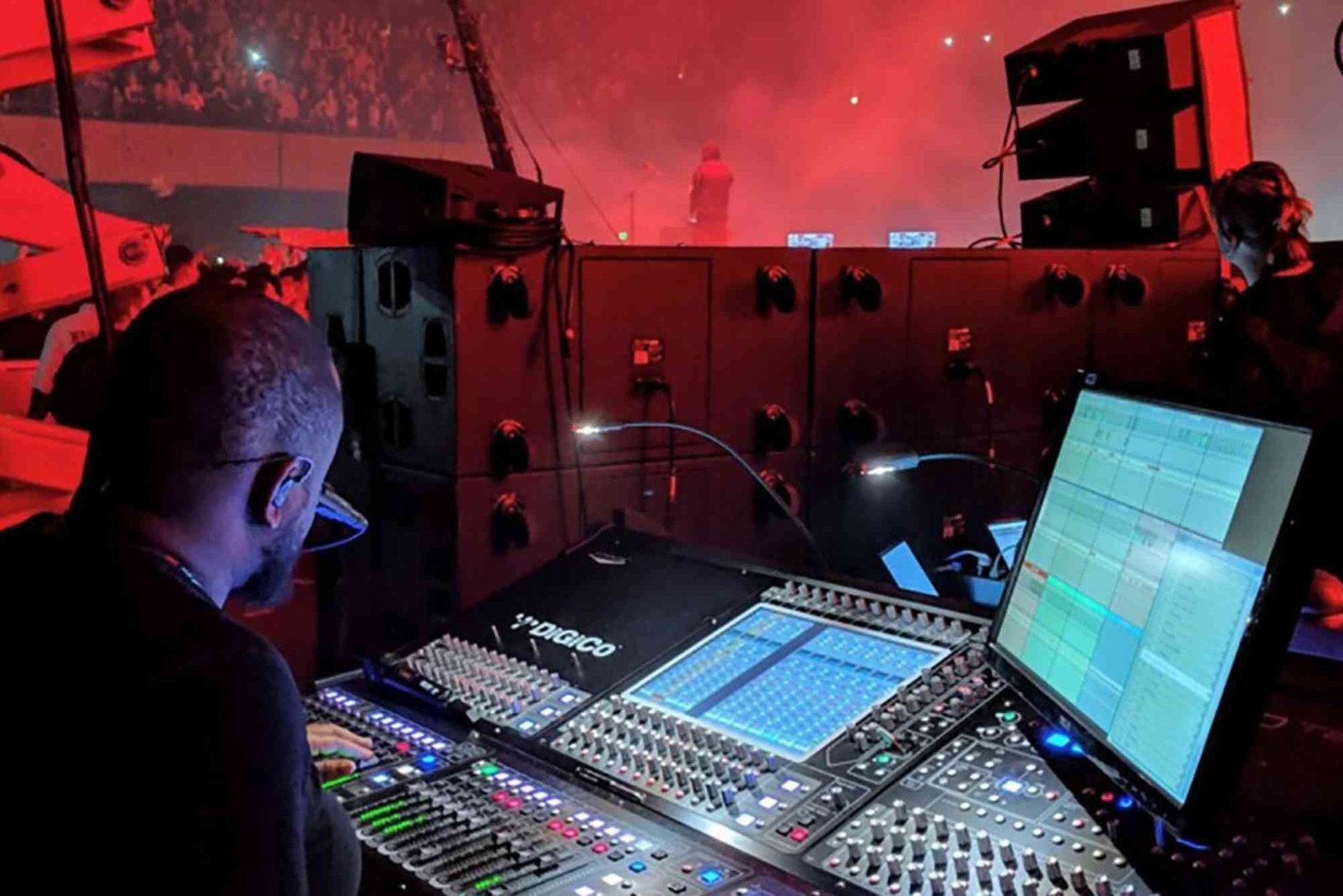
Your toolkit can define your effectiveness in live engineering. Key components include mixers, microphones, DI boxes, and monitors. Knowing your gear’s strengths and limitations is critical. For instance, high-end digital mixers allow advanced processing but require familiarity with presets and routing. Conversely, analog systems are more forgiving but less flexible. Understanding these trade-offs helps you make quick decisions during a performance.
Signal Flow and Patch Management
Signal flow is the backbone of any live setup. Properly routing microphones, instruments, and effects prevents feedback and ensures clarity. Labeling channels, keeping patch bays organized, and having backup cables are simple yet crucial practices. Experienced engineers who have been Tested In A Live environment emphasize that small organizational habits save major headaches during shows.
Preparing for a Live Event
Venue Reconnaissance
Arriving early and inspecting the venue is non-negotiable. Room acoustics, stage layout, and speaker placement impact sound significantly. Walk around the audience area to identify potential sound dead zones or echo-prone corners. Taking notes in advance allows you to tweak EQ and monitor mixes efficiently.
Soundcheck Strategies
Soundchecks are more than technical formalities; they’re a chance to adapt to the room and performers. Start by testing every microphone and instrument individually, then gradually blend them together. Pay attention to stage monitors—performers rely on them, and poorly mixed monitors can ruin a set.
Communication with Artists
Clear communication is vital. Ask performers about preferences for monitor mixes, volume levels, and effects. Establishing rapport helps mitigate stress, as artists feel more confident when their engineer understands their needs. Engineers who have been Tested In A Live Sound Engineering environment know that human interaction is as important as technical skill.
Troubleshooting in Real Time
Dealing with Feedback
Feedback is the most common live issue. Engineers often rely on EQ cuts, mic placement, and directional microphones to prevent it. Quick action is crucial—delaying can disrupt the performance. Experienced engineers also keep a mental checklist of common feedback frequencies for rapid intervention.
Handling Equipment Failures
Equipment can fail unexpectedly. A backup microphone, spare DI box, or extra cable can be a lifesaver. Knowing your gear intimately allows you to swap components seamlessly. Many professionals who have been Tested In A Live scenario agree that redundancy is not optional; it’s a performance insurance policy.
Managing Unexpected Acoustic Challenges
Crowd noise, outdoor wind, or reflections from walls can throw off mixes. Active listening and continuous adjustment are essential. Engineers use subtle EQ shifts, gain adjustments, and monitor placement to maintain clarity. Those who have navigated live events repeatedly emphasize that adaptability is more important than perfection.
Advanced Techniques for Professional Results
Dynamic Mixing
Live sound requires constant attention to dynamics. Compressors, gates, and limiters are powerful tools when applied judiciously. For example, lightly compressing vocals ensures consistency without sounding unnatural. Engineers with live experience often adjust settings in real time, responding to performers’ energy and audience size.
Spatial Awareness and Panning
Panning instruments appropriately creates a balanced soundstage. It prevents muddiness and allows each instrument to shine. Engineers who have been Tested In A Live Sound Engineering environment often rely on subtle panning and stereo field adjustments to enhance listener experience.
Using Effects Tastefully
Reverb, delay, and modulation effects can add depth but can also overwhelm a mix if misused. Live environments often require less intense effects than studios. Knowing when to cut or add effects is a skill honed only through repeated exposure to real shows.
Post-Event Analysis and Learning
Reviewing Recordings
Recording the live mix provides an opportunity for reflection. Listen critically to identify areas of improvement, such as frequency clashes, monitor issues, or dynamics that were inconsistent. Those who have been Tested In A Live show repeatedly cite review sessions as critical to professional growth.
Gathering Feedback
Feedback from performers and audience members is invaluable. Ask what sounded good and what could be improved. Combining this with self-assessment creates a feedback loop that accelerates skill development.
Continuous Education
Technology evolves rapidly. Digital consoles, wireless systems, and software updates continually introduce new tools. Professionals who have been Tested In A Live scenario make learning an ongoing process, attending workshops, reading technical guides, and experimenting during rehearsals.
Essential Tips from Experienced Engineers
-
Always arrive early to understand the space.
-
Label everything—cables, channels, racks.
-
Maintain a calm demeanor; panic spreads quickly.
-
Use in-ear monitors for critical listening.
-
Double-check gain staging before the audience arrives.
-
Document settings for repeatable results in future shows.
These practical insights, drawn from real-world experience, distinguish good engineers from great ones.
Live sound engineering is an art and a science, requiring technical expertise, quick thinking, and excellent communication. Being Tested in a Live Sound Engineering — Practical Tips and Expert Advice equips you with strategies to overcome the unpredictable nature of live events. From proper preparation to advanced mixing techniques, every detail matters.
Whether you are stepping onto your first live gig or refining your professional approach, these insights will enhance your effectiveness. Embrace learning, stay adaptable, and prioritize both technical precision and human connection.
Start applying these techniques today and elevate your live sound performance to professional standards. Explore further by checking out our detailed guide Tested In A and gain insights that will transform your workflow.
FAQs
What is live sound engineering?
Live sound engineering involves managing audio during performances to ensure clarity, balance, and audience satisfaction. It differs from studio work due to unpredictable conditions.
How do I prevent feedback during a live show?
Proper microphone placement, EQ adjustments, and using directional mics reduce feedback risks. Experienced engineers also maintain a mental list of problem frequencies.
What gear is essential for a live performance?
Mixers, microphones, DI boxes, stage monitors, and cables form the core toolkit. Backup gear is crucial to prevent interruptions.
How can I improve my live mixing skills?
Attend live shows, volunteer for small gigs, study recordings, and seek mentorship from seasoned engineers. Consistent practice in real scenarios is key.
Where can I learn more about sound engineering?
You can Read more on en.wikipedia.org for in-depth technical concepts, history, and industry practices.
What should I focus on during a soundcheck?
Test all channels individually, check monitor mixes, adjust gain structure, and communicate with performers about their preferences.