Introduction
Choosing the best fashion styles for work can transform both confidence and productivity. The way professionals dress often influences how colleagues, managers, and clients perceive them. A well-chosen outfit communicates professionalism, attention to detail, and personal style without saying a word.
Modern workplaces have evolved significantly. Offices today range from corporate environments to flexible startups and remote-friendly companies. Because of this shift, the best fashion styles for work now combine professionalism with comfort and individuality. Employees want outfits that look polished but still feel practical during long workdays.
Understanding workplace fashion is not just about following dress codes. It is about presenting yourself in a way that reflects your role and industry while staying comfortable and confident. When people feel good in their clothing, they often perform better, communicate more effectively, and maintain a stronger professional presence.
In this guide, you will discover the best fashion styles for work, how to adapt them to different workplaces, and how to build a wardrobe that looks stylish every day.
Understanding Professional Workplace Fashion
Workplace fashion has changed dramatically over the past decade. Many companies have shifted from strict dress codes toward more flexible guidelines that allow employees to express personal style while maintaining professionalism.
The best fashion styles for work focus on balance. Outfits should look polished but not overly formal unless the industry requires it. For example, corporate offices often expect structured attire, while creative industries may encourage more relaxed clothing choices.
Professional fashion also considers practicality. Work clothing must support long hours, meetings, commuting, and sometimes travel. Comfortable fabrics, well-fitted pieces, and timeless designs often create the most effective wardrobe.
Experts in professional appearance often emphasize that clothing should enhance credibility. According to insights shared by the Harvard Business Review, workplace attire can influence how competent and trustworthy a person appears in professional settings.
Business Professional Style
Business professional attire represents one of the most traditional and respected workplace dress codes. This style is common in industries such as finance, law, consulting, and corporate leadership roles.
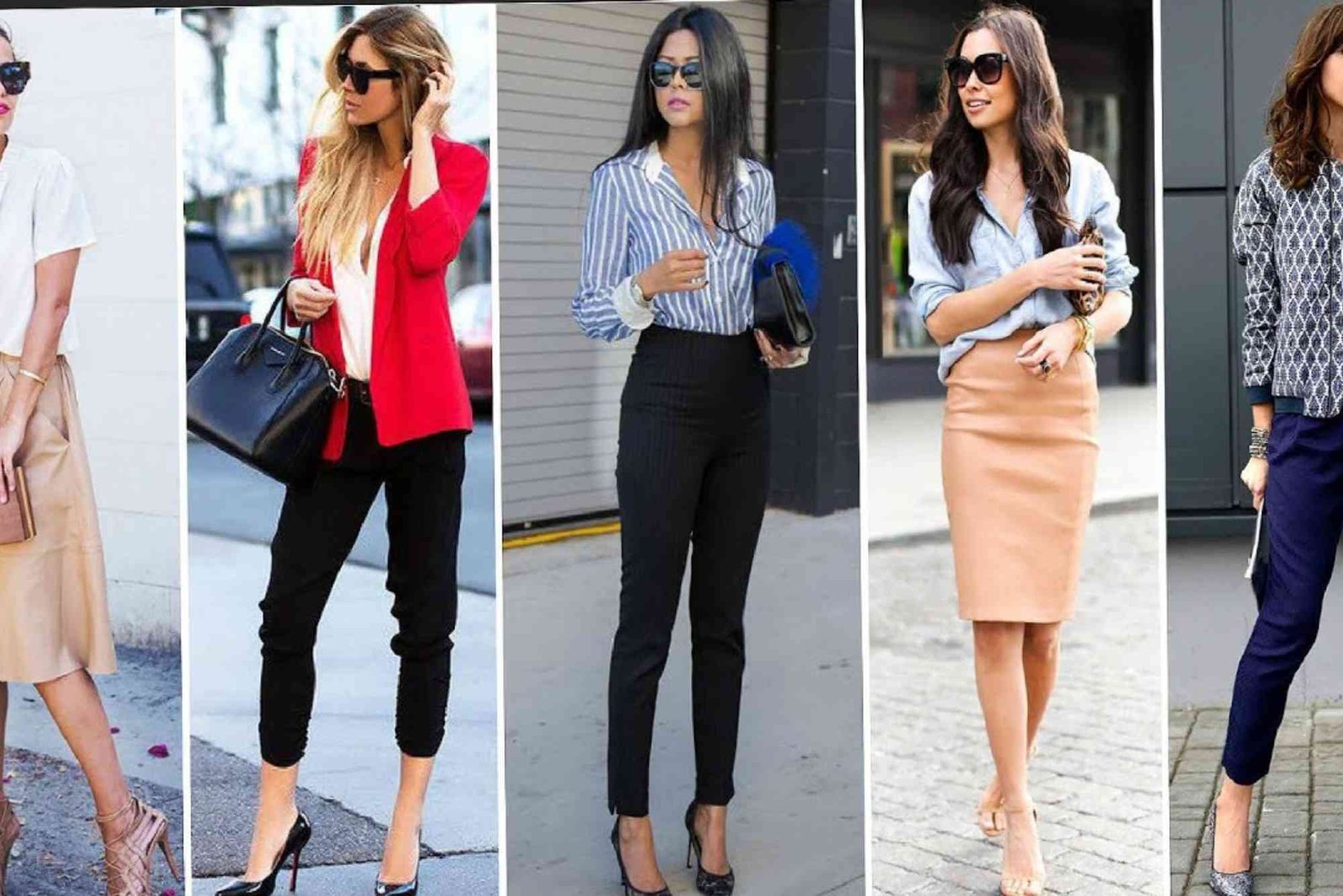
The best fashion styles for work in business professional environments emphasize structure and simplicity. Tailored suits, crisp shirts, and classic dresses are the foundation of this look. Neutral colors such as black, navy, gray, and beige create a refined and dependable appearance.
Well-fitted clothing is essential in this style. A tailored blazer instantly elevates an outfit and signals professionalism. Structured trousers or pencil skirts provide balance and help maintain a clean silhouette.
Footwear should also reflect the formal nature of the environment. Leather shoes, closed-toe heels, or polished loafers complement the structured outfit. Accessories should remain minimal, allowing the overall appearance to remain elegant rather than distracting.
Professionals who adopt this style often experience greater confidence during presentations and meetings. The polished appearance reinforces authority and reliability in high-stakes environments.
Business Casual Style
Business casual has become one of the best fashion styles for work in modern offices. It blends professionalism with comfort, making it ideal for companies that want employees to look presentable without strict formal attire.
This style often includes blazers paired with chinos, tailored trousers, or knee-length skirts. Button-down shirts, knit tops, and elegant blouses create a relaxed but professional look.
The biggest advantage of business casual fashion is flexibility. Employees can mix different pieces to create new combinations without needing a large wardrobe. For instance, a neutral blazer can pair with multiple shirts and trousers, allowing several outfit options.
Color also plays a more important role in business casual clothing. Soft tones, subtle patterns, and textured fabrics help add personality without compromising professionalism.
Many workplaces encourage this style because it supports comfort and productivity. Employees feel less restricted while still maintaining a polished professional image.
Smart Casual Work Style
Smart casual is increasingly popular among technology companies, startups, and creative industries. It represents one of the most adaptable best fashion styles for work because it blends everyday clothing with professional elements.
Smart casual outfits often include fitted jeans or tailored pants combined with structured tops. A stylish jacket or lightweight blazer can elevate even a simple outfit.
This style allows professionals to show personality through color, texture, and accessories. However, balance remains important. Even in relaxed workplaces, clothing should appear intentional and well coordinated.
Comfortable footwear such as stylish flats, clean sneakers, or minimal leather shoes often works well in smart casual environments. The goal is to maintain a polished look while still feeling relaxed throughout the workday.
Employees working in creative roles often prefer this style because it reflects individuality while maintaining a professional image.
Minimalist Work Fashion
Minimalist fashion has become one of the most practical best fashion styles for work in recent years. This approach focuses on simplicity, neutral tones, and timeless pieces that can be worn repeatedly.
A minimalist work wardrobe often includes structured trousers, classic blazers, neutral tops, and versatile dresses. These pieces mix easily, allowing professionals to create multiple outfits using only a few items.
Minimalism also encourages investing in quality clothing rather than quantity. High-quality fabrics and well-constructed garments maintain their shape and appearance for longer periods.
Professionals who adopt minimalist fashion often spend less time deciding what to wear. The wardrobe remains cohesive, ensuring every combination looks intentional and professional.
According to research shared by the Fashion Institute of Technology, minimalist wardrobes can reduce decision fatigue while maintaining a consistent personal style.
Seasonal Work Fashion
Seasonal changes influence workplace clothing more than many people realize. The best fashion styles for work often adapt to weather conditions while maintaining professionalism.
During warmer months, breathable fabrics such as cotton, linen blends, and lightweight wool help maintain comfort. Short-sleeve blouses, midi skirts, and lighter trousers often work well in professional settings.
In colder seasons, layering becomes essential. Blazers, structured coats, and knitwear provide warmth while maintaining a professional appearance. Darker tones also become more common in winter wardrobes.
Footwear choices often change with the seasons as well. Closed shoes and boots work well in colder weather, while lighter footwear becomes more appropriate during warmer months.
Adapting work fashion to seasonal changes ensures comfort while maintaining a polished professional image throughout the year.
Building a Versatile Work Wardrobe
Creating a reliable work wardrobe requires thoughtful planning. The best fashion styles for work rely on versatile pieces that work across different outfits and occasions.
A strong wardrobe foundation often includes a tailored blazer, neutral trousers, structured dresses, and versatile shirts. These pieces can mix easily, allowing professionals to create numerous combinations without needing excessive clothing.
Quality fabrics also play an important role in workplace clothing. Durable materials maintain their structure and appearance after repeated use. Investing in a few well-made garments often proves more practical than purchasing many low-quality items.
Professionals should also consider their daily work activities. Those who attend frequent meetings may prefer more structured clothing, while employees in creative roles may favor relaxed but polished outfits.
Building a thoughtful wardrobe ensures every outfit reflects professionalism and personal style.
How Personal Style Improves Professional Confidence
Clothing influences mindset more than many people realize. When individuals wear outfits that reflect the best fashion styles for work, they often experience increased confidence and focus.
Professional clothing can shape how others respond during conversations, presentations, and negotiations. A well-dressed individual often appears more credible and prepared.
Personal style also helps professionals feel authentic in their roles. Rather than strictly copying trends, the most effective work wardrobes reflect individual preferences while maintaining workplace standards.
Experts in workplace psychology frequently highlight the concept of “enclothed cognition.” This idea suggests that clothing influences behavior and performance. When professionals dress intentionally, they often carry themselves with greater authority and clarity.
Choosing the best fashion styles for work is about more than appearance. It involves creating a balance between professionalism, comfort, and personal expression. When professionals build wardrobes that support their daily responsibilities, they often feel more confident and productive.
Workplace fashion continues to evolve as offices adopt more flexible environments. From business professional attire to smart casual outfits, modern employees have more freedom to express their personal style while maintaining professionalism.
Top Beauty Tips for Natural Look A natural look starts with healthy skin. Keep your face clean, moisturized, and protected with sunscreen daily. Use light makeup that enhances your features rather than covering them. Stay hydrated, eat fresh foods, and get enough sleep. A gentle skincare routine and confidence are the real secrets to glowing, natural beauty.
Frequently Asked Questions
What is the best fashion style for work?
The best fashion style for work depends on the workplace environment. Corporate offices often prefer business professional attire, while many modern workplaces adopt business casual or smart casual styles.
How can I look stylish at work without breaking dress codes?
Focus on well-fitted clothing, neutral color palettes, and subtle accessories. Structured pieces such as blazers and tailored trousers help maintain a professional yet stylish appearance.
What colors are best for professional work outfits?
Neutral colors such as black, navy, gray, and beige are commonly recommended. These shades create a polished appearance and easily combine with other wardrobe pieces.
How many outfits should a work wardrobe include?
A small collection of versatile clothing pieces can create many combinations. Many professionals build wardrobes with 10–15 essential items that mix easily.
Can personal style be included in workplace fashion?
Yes. Personal style can appear through accessories, color choices, and subtle design elements. The goal is to express individuality while maintaining professionalism.
If you’re looking for practical insights on business ideas, digital trends, and online opportunities, be sure to explore businessmini.com. The platform shares useful tips, guides, and resources that can help entrepreneurs, freelancers, and beginners grow their knowledge and start new ventures. Visit businessmini.com to discover helpful content designed to support your journey in the modern business world.