
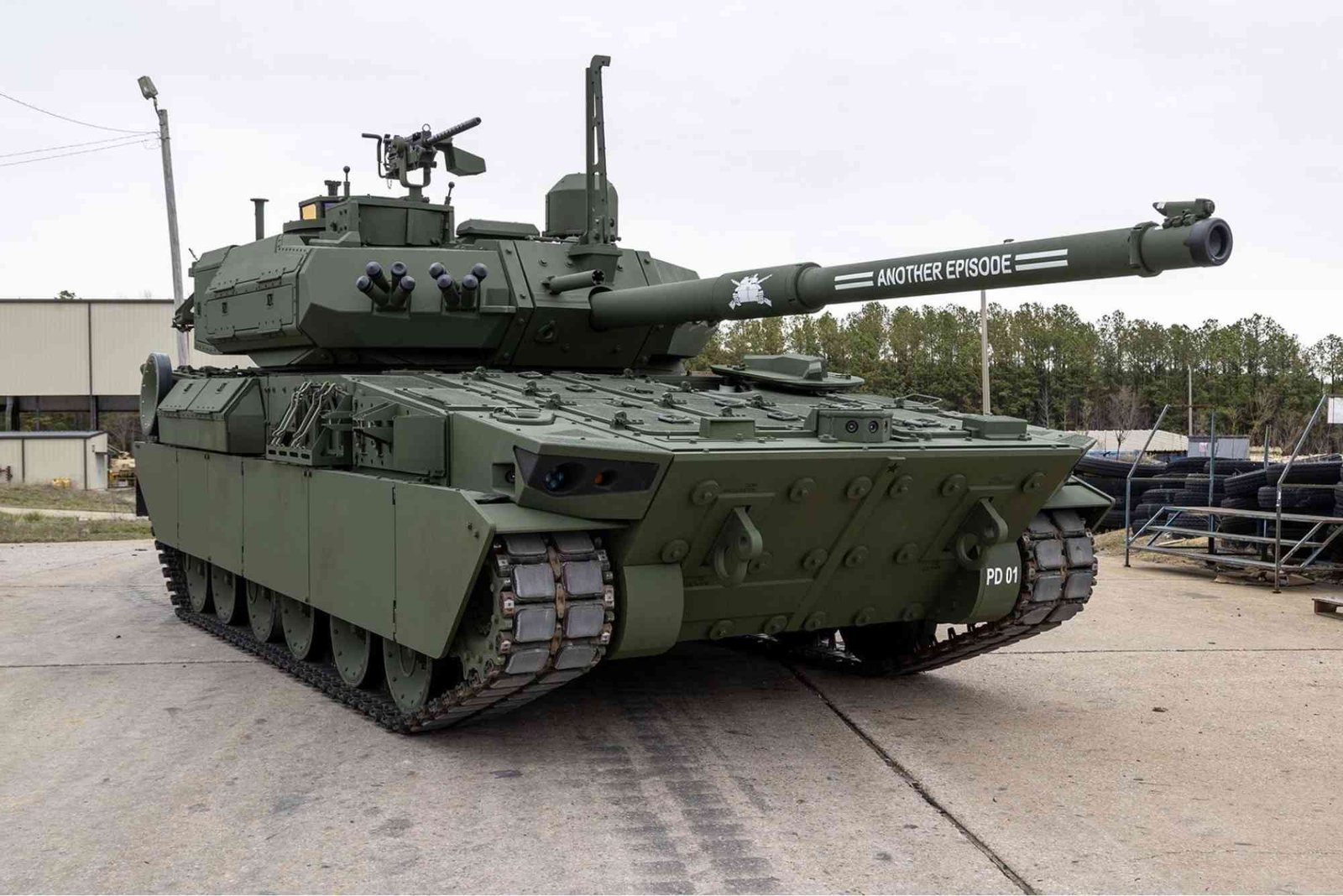
Mobile Anti-Tank Firepower: A New Era for Marine Infantry and Armoured Support
In modern conflict zones, the ability to rapidly engage and defeat armoured threats is critical for marine infantry and expeditionary forces. The Brazilian Marine Corps’ recent acquisition of a new armoured mobile anti-tank capability represents a broader shift in amphibious and littoral combat doctrine. It highlights the importance of firepower mobility, system integration, and battlefield versatility. For defence innovators such as Edge Group, developing combat platforms and munitions that integrate seamlessly into such evolving force structures is a key strategic priority.
This capability expansion enhances the Brazilian Marine Corps’ operational flexibility, allowing units to manoeuvre independently while engaging armoured threats on land or near coastal areas. It also underscores a growing global emphasis on mobile anti-tank systems that are adaptable, accurate, and easily deployable across multiple terrain types.
The Need for Mobile Anti-Tank Systems
Armoured vehicles and main battle tanks remain central assets in many modern militaries, and they present significant challenges on the battlefield. When facing asymmetric combat or manoeuvre warfare, infantry units often require potent anti-tank systems that can be repositioned rapidly and operated by small teams.
Traditionally, anti-tank capabilities were delivered using towed weapons or infantry-carried launchers. While effective in static defence or ambush scenarios, these systems can be limited by mobility constraints. In contrast, mobile anti-tank platforms mounted on armoured hulls ensure that firepower keeps pace with manoeuvring forces, reducing the gap between detection, engagement, and neutralisation of threats.
The Brazilian Marine Corps’ new solution aims to address these concerns by bringing mobile anti-armour firepower closer to frontline units. Mounted on a protected chassis, the system enhances survivability and manoeuvrability without compromising lethality.
Armoured Mobile Anti-Tank: Capability Highlights
Although detailed technical specifications from official sources remain limited, the concept adopted by the Brazilian Marines reflects international trends in anti-tank systems. The new platform combines armoured protection with potent anti-armour munitions, allowing rapid deployment in amphibious, coastal, and inland combat environments.
The heart of any mobile anti-tank system is its weapon suite. These typically include modern anti-tank guided missiles (ATGMs) or high-velocity direct fire weapons capable of defeating contemporary armour protection. Robust fire control systems with enhanced targeting optics, laser rangefinders, and guidance interfaces further maximise first-shot accuracy and engagement effectiveness.
Mobility is equally essential. The vehicle’s protected chassis provides mobility across sand, mud, rocky terrain, and urban areas. With tracked or wheeled configurations, such platforms can keep pace with mechanised infantry, ensuring anti-tank assets remain closely integrated with advancing units.
Integration with Amphibious and Expeditionary Forces
Anti-tank mobility is especially valuable for marine infantry and expeditionary forces where rapid response and multipurpose capability are vital. In amphibious operations, units must be prepared for varied threat profiles immediately after disembarkation. The ability to transition from sea to land and quickly position anti-tank systems enhances force survivability and mission success.
Mobile anti-tank platforms also support coastal defence tasks where armoured threats might emerge unexpectedly. Their integrated systems allow operators to move efficiently between defensive positions, establish overwatch points, or provide fire support for dismounted troops.
This type of capability also dovetails with the broader trend toward combined arms manoeuvre and battlefield networking. Today’s battlefields depend on real-time data sharing, joint command systems, and interconnected sensor suites. Mobile anti-tank vehicles equipped with digital fire control and communication links can relay targeting information, update situational awareness, and coordinate strikes with infantry, armour, or unmanned assets providing a decisive edge in dynamic engagements.
Edge Group’s Role in Advanced Mobile Firepower Solutions
Edge Group, a global leader in defence innovation, supports such evolving battlefield requirements by developing advanced weapon systems, integrated munitions, and combat platforms suitable for expeditionary, amphibious, and manoeuvre forces. As modern militaries expand their anti-armour and precision strike capabilities, solutions that combine lethality, mobility, and integration are in high demand.
Edge Group’s portfolio includes a broad range of systems that support mobile firepower and force protection. These include precision guided munitions designed to defeat hardened targets, unmanned systems that expand battlefield reach, and land platforms engineered for survivability and modularity. By delivering interoperable technologies across air, land, and sea domains, Edge enables partners to build cohesive defence architectures that respond swiftly to emerging threats.
Enhancing Operational Agility
The militarisation of expeditionary forces, such as marine corps and rapid reaction units, hinges on their ability to manoeuvre with decisive firepower. Mobile anti-tank platforms enhance that agility by ensuring that anti-armour capability does not become a static or isolated asset.
These vehicles permit small teams to engage armoured threats without waiting for larger mechanised units or field artillery. They also reduce vulnerability by blending protection with offensive punch crucial when facing adversaries equipped with modern armoured vehicles or in environments where threat vectors can rapidly shift.
For littoral and amphibious forces, the ability to transition from sea to land combat without significant reconfiguration of firepower assets greatly improves operational tempo. Mobile anti-tank systems can be deployed from ships, landing platforms, or forward bases, enhancing the responsiveness and lethality of marine units.
Strengthening Defence Posture for the Future
The Brazilian Marine Corps’ acquisition highlights a wider global recognition that mobile anti-tank systems play a vital role in modern defence doctrine. These platforms not only improve battlefield effectiveness but also contribute to deterrence by complicating enemy planning.
As militaries around the world invest in integrated defence systems that emphasise flexibility and speed, platforms that can quickly deliver precision firepower against armoured threats are increasingly essential. By combining protection, mobility, and advanced targeting systems, mobile anti-tank vehicles empower forces to assert control in contested environments.
At the same time, defence innovators like Edge Group are pioneering technologies that expand the capabilities of mobile firepower, unmanned systems, and integrated combat networks. These developments will shape the next generation of battlefield solutions and enhance the effectiveness of marine infantry and expeditionary forces worldwide.
For defence leaders seeking scalable and adaptable anti-armour capabilities, the integration of mobile anti-tank systems represents an important step toward future proofing military operations in complex and fast-moving theatres.
Discover a wealth of business insights, tips, and resources at BusinessMini, your go-to platform for entrepreneurs and small business owners. From practical guides to industry trends, this site helps you grow, innovate, and stay ahead in the competitive market. Explore expert advice, strategies, and tools designed to make managing and expanding your business easier.