
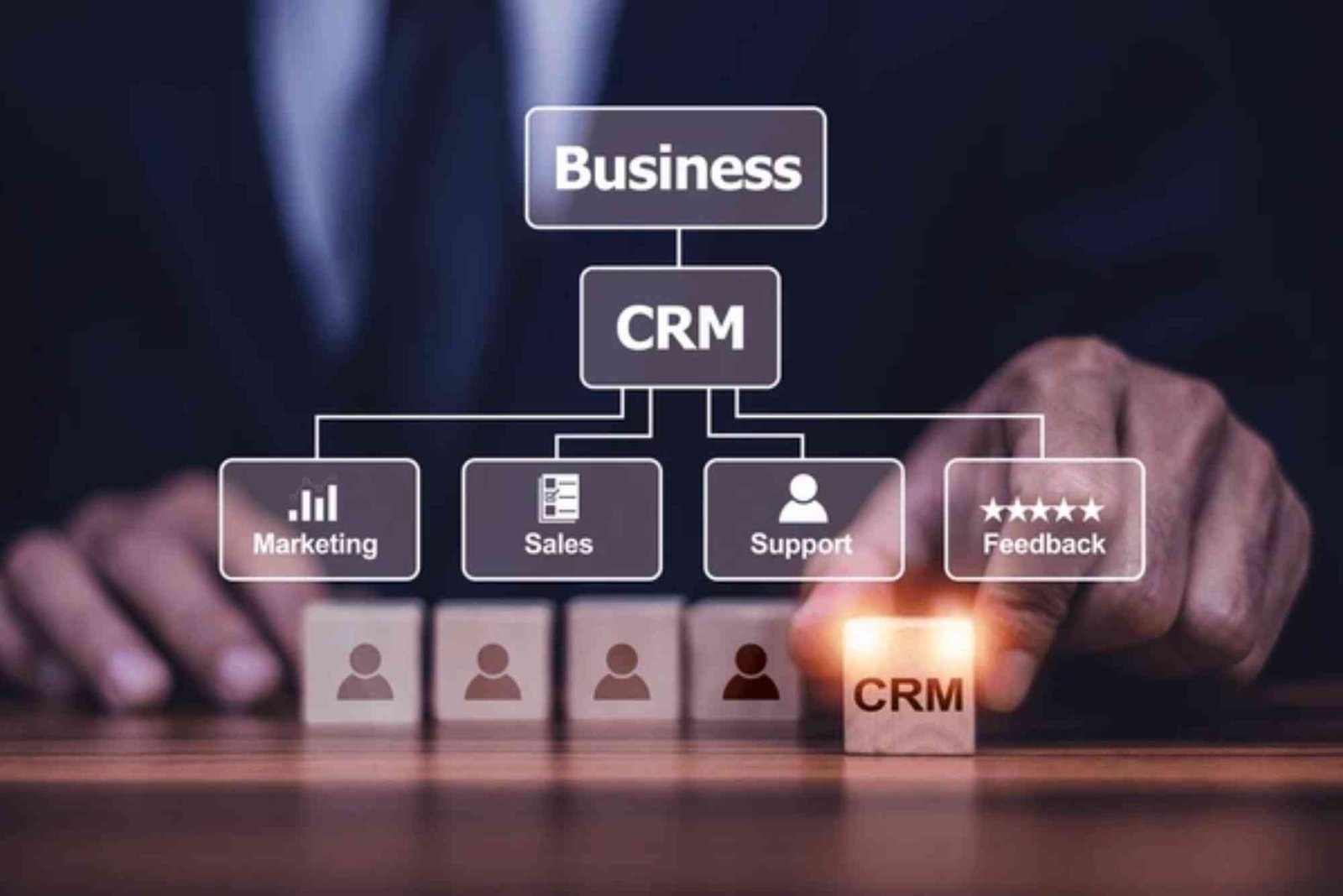
Teams today move fast, yet miscommunication, scattered files, and lost customer knowledge still sabotage productivity. When information lives in emails, spreadsheets, and private notes, collaboration breaks down. This is exactly where CRM systems create a competitive edge. A well-implemented CRM helps teams stay aligned, deepen customer relationships, and scale with confidence. Understanding how CRM helps with team efficiency and shared visibility is essential if you want consistent performance in a digital-first business environment.
CRM platforms deliver one central source of truth for every customer interaction. Instead of hunting for updates or repeating tasks, employees communicate through a unified system. As a result, response times drop, customer satisfaction rises, and internal collaboration becomes a smooth workflow instead of a patchwork of manual steps.
Below, you will find practical guidance, expert-level insights, and field-tested strategies. The focus keyword “how does CRM help with team” appears naturally throughout this guide, ensuring clarity and SEO performance without repetition.
The real value of CRM in team collaboration
CRM transforms scattered team communication into structured and shared information. Modern organizations cannot rely on memory or informal chats. Teams need consistency, especially when managing clients, leads, and support cases. By aligning tasks, timelines, and messaging, CRM creates accountability and improves work quality across departments.
Sales representatives track leads with full context, support agents see interaction history, and marketing teams launch personalized campaigns based on accurate data. Leadership gains visibility into performance without micromanaging. Instead of guessing, teams act confidently.
Centralizing information for faster decisions
Centralized data is the backbone of effective teamwork. When all team members access the same profiles, notes, and activity timelines, they avoid repeated questions and duplicate work. Decisions happen faster because insights are available instantly. For example, a support agent assisting a returning customer can review previous messages and offer a better solution within seconds. This builds trust and shows professionalism.

Improving internal communication
Communication often breaks down in high-growth teams. CRM helps maintain clarity by storing updates, tagging teammates, and automating approvals. Conversations no longer disappear in isolated messaging threads. CRM-based collaboration ensures everyone sees relevant messages without being overloaded with noise.
Enhancing task management and accountability
Teams perform best when responsibilities are clear. CRM platforms assign tasks, track deadlines, and show progress. Work rarely slips through the cracks because reminders and alerts keep members aligned. Everyone understands priorities and workloads, reducing frustration and boosting morale.
Practical ways CRM boosts team performance
Increasing productivity and reducing manual work
Teams waste valuable time on repetitive tasks. CRM automates follow-ups, reminders, email sequences, and lead qualification steps. Automation frees employees to focus on meaningful work such as customer conversations and strategic growth. Productivity rises because employees stop repeating menial actions.
Supporting remote and hybrid teams
Work-from-anywhere culture demands real-time access to information. CRM platforms support mobile access and cloud collaboration, allowing remote workers to operate at full capacity. Meetings become more effective because context, notes, and pipeline updates are always available.
Training new team members quickly
Onboarding becomes simple when systems guide tasks and store knowledge. New employees follow documented processes instead of guessing. CRM serves as an always-available training resource, helping new hires learn faster and contribute sooner.
Expert-level CRM implementation advice
Start with clear goals
Defining outcomes prevents tool overload. Decide whether your priority is faster sales cycles, better follow-up, or improved service response times. Then configure your CRM to support those targets. Teams adopt technology easily when they see direct benefits.
Focus on user training
CRM performance depends on proper adoption. Encourage employees to use the system daily. Offer training sessions and cheat sheets. Systems only work when everyone contributes accurate data.
Keep workflows simple
Over-engineering slows adoption. Start with essential fields, automated reminders, and standardized notes. Add complexity only when the team masters the basics. Simple workflows encourage consistency and accuracy.
Measure performance and refine
Analyze usage patterns, sales cycle durations, customer response times, and productivity indicators. CRM data reveals bottlenecks and teamwork challenges. Reviewing reports helps leaders improve processes gradually and sustainably.
Why CRM helps every department work better together
Sales
Sales teams gain visibility into pipelines, deal stages, and communication history. Pipeline clarity increases closing rates and reduces stalled opportunities.
Marketing
Marketing teams access behavioral insights, build segmented audiences, and track campaign ROI. They create targeted content and deliver messages customers care about, minimizing wasted effort.
Customer service
Support agents solve problems faster using history, preferences, and previous notes. Personalized responses strengthen long-term loyalty and reduce churn.
Leadership and operations
Executives track performance using dashboard reports. Leaders guide strategy based on data rather than intuition. Operational efficiency improves as workflows become transparent and repeatable.
Real-world example from modern business environments
Consider a fast-growing fitness franchise like a boutique training studio. If sales reps manually track leads while coaches communicate separately and front-desk staff monitor schedules offline, confusion grows. A CRM connects scheduling, lead management, customer notes, and follow-up automation. Staff see who visited, who needs outreach, and who is preparing to cancel. This synchronized approach mimics a well-run Orange Theory-style studio in Mountain View, where members experience seamless support because teams share information instantly.
CRM is not just software; it is a system that empowers teamwork, precision, and scalability. By centralizing data, streamlining communication, and enforcing accountability, CRM platforms turn chaotic processes into predictable success. Businesses that implement CRM thoughtfully outperform those relying on scattered tools. Now that you understand how CRM helps with team coordination and customer focus, consider implementing or optimizing your own CRM.
Take the next step. Evaluate your current systems, define collaboration goals, and adopt a CRM process that enhances your team’s capability to deliver consistent excellence.
Explore more insights and improve your CRM approach through detailed guides like How Does CRM and How Does CRM Help
To broaden foundational business knowledge, you may also Read more on en.wikipedia.org.
FAQ: People also ask
What does a CRM do for a team?
A CRM gives teams one shared platform for customer information, communication history, tasks, and performance tracking. This improves collaboration and speeds up decision-making.
How does CRM improve team communication?
CRM centralizes notes, updates, and messages in one system, reducing confusion and keeping everyone aligned on customer needs and project status.
Why do companies use CRM for teamwork?
Companies use CRM to streamline follow-ups, assign tasks, track progress, reduce manual work, and ensure all customer interactions follow consistent standards.
Can CRM help remote teams work better?
Yes. CRM allows remote teams to access customer data, share updates in real time, and collaborate from anywhere. This keeps distributed teams productive and synchronized.
How fast can a team see results from CRM?
Teams usually see improvements within weeks once they adopt consistent processes, use automation, and update data regularly.


Leave a Reply