
Introduction
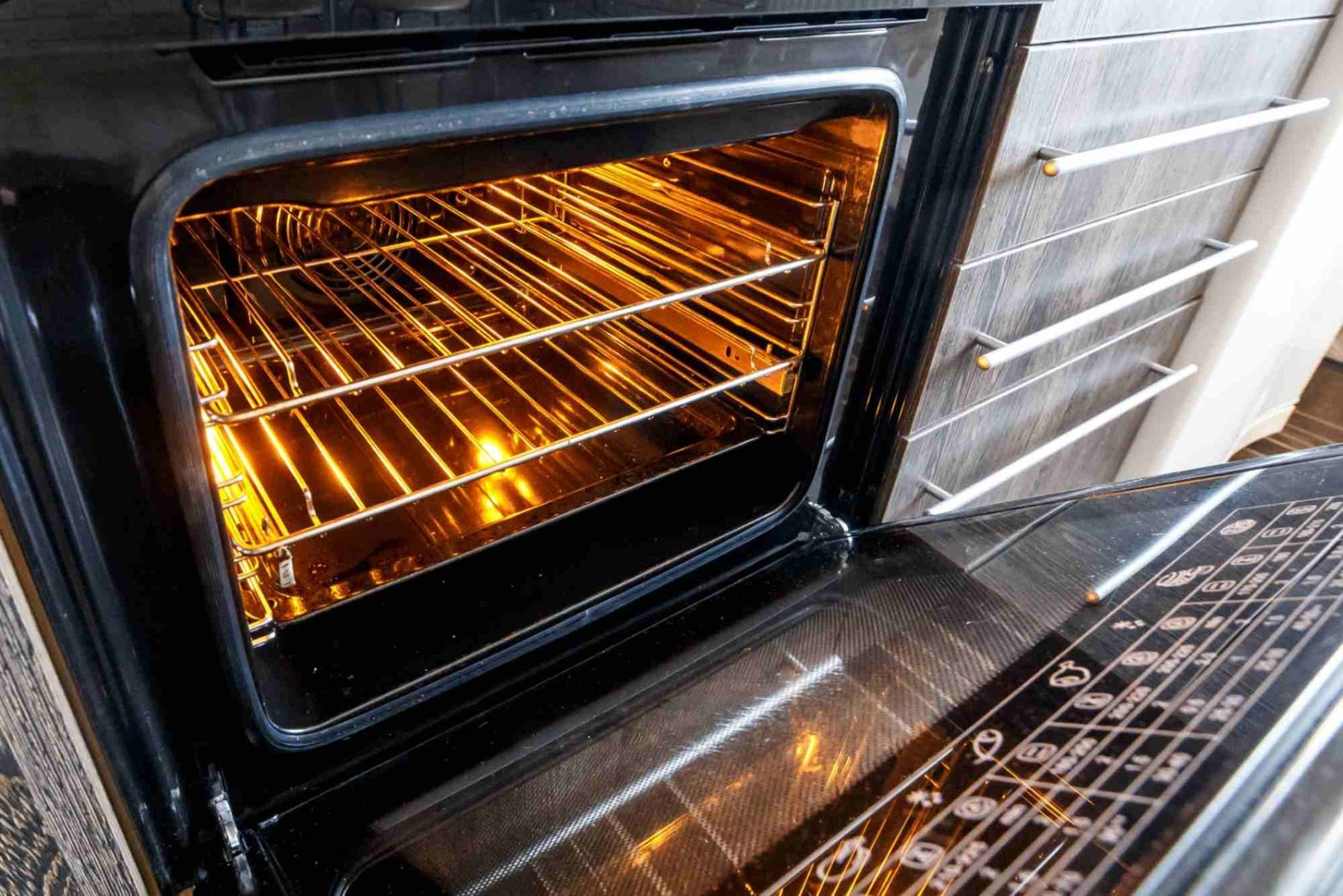
If you’ve ever turned on your oven only to see sparks flying inside, you know how alarming it can be. An oven that produces sparks when turning on is not just startling—it can indicate serious electrical or maintenance issues. Understanding why this happens and how to safely address it is crucial for both your safety and the longevity of your appliance.
Understanding Why Ovens Produce Sparks
Ovens are complex appliances that combine electrical circuits, heating elements, and sometimes gas mechanisms. Sparks inside the oven usually point to an electrical issue, a damaged component, or accumulated debris. Common causes include frayed wiring, food residue contacting heating elements, or faulty spark igniters in gas ovens.
Electrical sparks occur when current jumps through an unintended path. While occasional minor sparks may happen in older ovens, persistent or large sparks are dangerous. Recognizing the type of spark—brief flash, continuous arc, or consistent ignition failure—can help pinpoint the source. Gas ovens with electronic ignition systems also produce sparks, but they are controlled and usually brief. If your oven sparks excessively or unpredictably, it requires inspection and corrective action.
Safety First: Precautions Before Inspection
Before inspecting your oven, safety is paramount. Always disconnect the oven from power, either by unplugging it or turning off the circuit breaker. Avoid touching internal components if the oven was recently used, as heating elements retain high temperatures. For gas ovens, ensure the gas supply is off to prevent accidental ignition. Wearing insulated gloves and using a flashlight can prevent accidents. Never attempt to repair electrical components without proper understanding. If unsure, contacting a professional is the safest approach.
Guide to Fixing Oven Sparks
Examine the Heating Elements
The heating elements in an electric oven are most often the source of sparks. Over time, they can warp, crack, or accumulate debris. Inspect each element carefully. Look for visible damage, burn marks, or metallic particles that may touch other components. Minor food residue can sometimes cause sparking, so cleaning the element thoroughly may resolve the issue.
Check for Loose Wires
Loose or frayed wiring is a common cause of sparks. Inspect the wires behind the oven’s back panel and around the heating elements. Look for discoloration, melting, or exposed copper. Tighten loose connections, and replace damaged wires. Even a small gap in insulation can lead to dangerous sparks.

Clean the Oven Interior
Accumulated food debris, grease, or metal fragments can trigger sparks. Use a damp cloth and mild detergent to wipe down the interior. Avoid abrasive tools that may scratch protective coatings. For stubborn residues, consider using a non-toxic oven cleaner. Ensuring a clean environment prevents future sparking and improves heating efficiency.
Inspect Spark Igniters (for Gas Ovens)
Gas ovens rely on spark igniters for controlled ignition. If your oven produces sparks but fails to light consistently, the igniter may be faulty. Inspect the igniter for cracks, corrosion, or misalignment. A faulty igniter should be replaced following manufacturer instructions. Regular maintenance of this component prevents unsafe sparking.
Test Electrical Components
Circuit boards, relays, and switches in modern ovens can develop faults that cause sparks. Use a multimeter to test for continuity and ensure components function properly. If electrical parts show irregular readings, replacing them may eliminate sparking. Avoid guessing; electrical testing ensures safety and precision.
Avoid Metallic Contact
Any metallic object inside the oven, from pans to utensils, can generate sparks if it contacts the heating element. Always use cookware approved for oven use. Remove foil, metal skewers, or improperly coated trays during operation. Even accidental contact during cooking can cause sudden sparks.
Professional Inspection
If all visible components appear intact but sparks persist, it’s time for professional help. Certified appliance technicians can safely disassemble the oven, test hidden circuits, and repair or replace faulty parts. Attempting advanced repairs without experience increases fire risk and can void warranties.
Common Mistakes to Avoid
One of the most common errors is ignoring minor sparks, thinking they are harmless. Persistent sparking indicates an underlying issue that can escalate. Another mistake is using the oven without proper inspection after seeing sparks, which increases fire hazards. Avoid DIY solutions involving makeshift fixes or exposed wires, as they can worsen the problem.
Maintaining Your Oven to Prevent Sparks
Regular maintenance minimizes sparking risks. Wipe the oven after each use, inspect heating elements quarterly, and ensure wires remain secure. For gas ovens, check igniters periodically. Scheduling annual professional inspections ensures safe operation and prolongs appliance life.
Using your oven responsibly also helps. Avoid overloading trays, keep flammable materials away, and never bypass safety features. Following these preventive steps reduces sparks and keeps your kitchen safe.
Expert Tips for Immediate Action
If sparks occur suddenly, stop using the oven immediately. Disconnect power, remove any metallic items inside, and inspect visually. Small sparks from igniters may be normal in gas ovens, but anything unusual should trigger caution. Keeping a fire extinguisher nearby is also recommended, especially for kitchens with older appliances. For more detailed advice, check Oven Produces Sparks Tips and follow the preventive measures to avoid recurring problems.
An oven that produces sparks when turning on is not only alarming but potentially dangerous. Understanding the causes—from damaged wiring and heating elements to dirty interiors or faulty igniters—helps you take the right corrective measures. Always prioritize safety, inspect carefully, and don’t hesitate to involve professionals when needed. By following a structured approach and maintaining your appliance, you can ensure safe and efficient operation.
Take control of your oven’s safety today. Follow expert advice, clean regularly, and replace faulty components promptly to prevent sparks and enjoy hassle-free cooking. For detailed step-by-step instructions, refer to Oven Produces Sparks When Guide. Explore more related insights on appliance safety and maintenance in this Related article on qubix.ae.
FAQs
Why does my oven spark when turning on?
Sparks usually occur due to electrical issues, damaged wiring, heating elements, or dirty surfaces contacting the element.
Is it safe to use an oven that sparks?
No. Persistent sparking is a fire hazard. Disconnect the oven and inspect before use.
Can I fix oven sparks myself?
Minor cleaning and inspection are safe, but electrical repairs should be handled by professionals.
Do gas ovens normally produce sparks?
Yes, brief sparks from the igniter are normal. Excessive or continuous sparks indicate a problem.
How can I prevent my oven from sparking?
Regular cleaning, checking wires and elements, using approved cookware, and scheduling professional maintenance helps prevent sparks.
What should I do if my oven sparks suddenly?
Turn off power immediately, remove metallic items, inspect visually, and call a certified technician if the issue persists.
Related Reading: Oven Produces Sparks When Turning on — Practical Tips and Expert Advice
Related Reading: How to Signs of Dryer Start Switch Malfunctions Step by Step for


Multibet88play? Sounds like I can spread my bets around. All about those parlays, gotta win big. I’ll hit it up multibet88play this week.
Tried the Sulit 777 casino login today, and it worked perfectly. Smooth and easy access to all the games! Feeling lucky! See you there! Try the sulit 777 casino login.
If you’re looking for a solid ‘nuôi lô 88.com’ resource, Lonuoirongbachkim is it. Seriously, I’ve seen some great results using their tips. Give it a try nuôi lô 88.com.
I was skeptical at first but the big wins are real here. The site is stable and doesn’t lag during peak hours. Big thumbs up for 389win55.
Top tier service and very fair odds. I’ve recommended this site to a few friends and we all have had a blast playing together. Visit jilifunregisteronline for a premium experience.
I have been playing here for months and the payout speed is exactly what I need. No waiting around for days just clean and reliable transactions every single time. wj8login
The app version is a game changer. Much more convenient to play on the go than using a browser. Download 377betappapk for the best mobile experience.
The app experience is just top notch. It is so much more convenient than using a browser. Definitely download okadaplayapp if you want to play on the go.
Very reliable platform with a wide range of payment methods. Everything is transparent and fast. I trust rupiahbetlogin completely.
Really impressed with the welcome bonus and the overall vibe of the site. Definitely checking out ph369jl again tonight.
The game variety on this site is top notch. I really enjoy the interface and how smooth everything runs on my mobile phone. Highly recommend ph291jili
The app version is a game changer. I can bet on the go without any lag. It is honestly the most convenient way to use 199winbetapp.
This site is very user friendly even for beginners. I appreciate the clear layout and the fast loading times. 998jilicom is definitely worth checking out.
The graphics are great and the gameplay is lag-free. Definitely one of my favorite spots now. Visit vn33win88
Finally found a site that actually treats its players well. The bonuses are legit and the support team is very helpful. Love vnve88
Joined the club and the rewards are actually insane. It’s great to see a platform that actually cares about its players. Join krwinclub88 and see for yourself.
If you are looking for a stable and exciting gaming platform then look no further. I have been using krm4win for a week and it is fantastic.
Short, sweet, and simple. Exactly how a gaming site should be. I love how fast the registration is on kr86.