
Introduction
Understanding How to Tested in a live sound engineering Step by Step for is essential for anyone working with live audio systems. Whether you are a beginner sound technician or an aspiring audio engineer, proper testing ensures clarity, balance, and professional-quality sound during live events.
Live sound engineering is not just about plugging in equipment. It requires careful preparation, systematic testing, and real-time adjustments. When done correctly, it prevents feedback issues, distortion, and uneven sound levels that can ruin a performance.
In this guide, you will learn a practical approach to How to Tested in a live sound engineering Step by Step for, using real-world techniques that professionals apply in concerts, events, and studio live sessions.
Understanding Live Sound Engineering Basics
Before learning How to Tested in a live sound engineering Step by Step for, it is important to understand the foundation of live audio systems.
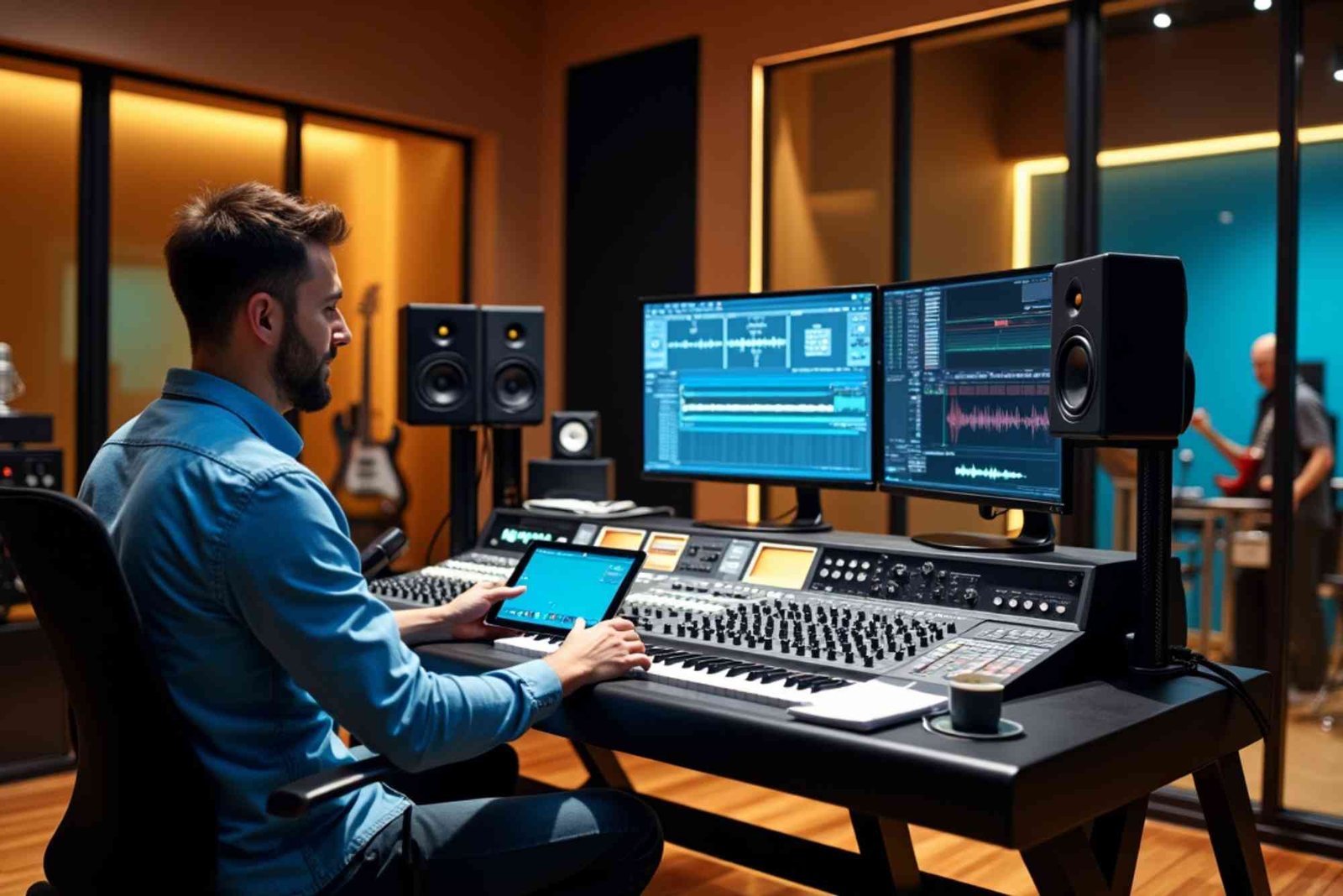
Live sound engineering involves managing microphones, mixers, amplifiers, speakers, and monitoring systems. Each component plays a role in delivering clear and balanced sound to the audience.
A live setup must handle real-time changes. This is why testing is crucial before any performance begins. Without proper testing, even the best equipment can produce poor results.

Preparing for Live Sound Testing
A successful setup starts with preparation. When learning How to Tested in a live sound engineering Step by Step for, preparation ensures fewer errors during live performance.
First, check all cables and connections. Loose or damaged cables can cause noise or signal loss. Then confirm that all devices are powered correctly.
Next, position microphones and speakers based on the venue layout. This helps avoid feedback and improves sound coverage. Proper placement is one of the most important parts of live sound preparation.
Sound engineers also label channels on the mixing console. This makes it easier to control multiple inputs during the test phase.
Step by Step Testing Process in Live Sound Engineering
To fully understand How to Tested in a live sound engineering Step by Step for, you must follow a structured testing method.
Start with a system power check. Turn on equipment in the correct order. Usually, the mixer is powered first, followed by amplifiers and speakers. This prevents damage and unwanted noise spikes.
Then move to input testing. Each microphone and instrument should be tested one by one. Speak or play at normal levels and observe the signal on the mixer. Adjust gain settings to avoid clipping or distortion.
After input testing, focus on output levels. Ensure that front-of-house speakers and monitor speakers are balanced. This helps both the audience and performers hear clearly.
Equalization is another key step. Adjust frequencies to remove unwanted noise or enhance clarity. A balanced EQ ensures that vocals and instruments do not clash.
Finally, conduct a full system run-through. This simulates a live performance and helps identify any remaining issues.
At this stage, applying techniques from How to Tested in a live sound engineering Step by Step for ensures a smooth and professional sound output.
Mixing and Sound Adjustment Techniques
Mixing is a core part of How to Tested in a live sound engineering Step by Step for. Once testing is complete, fine-tuning begins.
Start by balancing volume levels between different inputs. Tested In A Live Guide Vocals should remain clear and prominent. Instruments must support without overpowering.
Use panning to create space in the audio mix. This helps separate different sound sources across the stereo field.
Reverb and delay effects can be added carefully to enhance depth. However, overuse can reduce clarity.
Sound engineers often rely on reference listening during this stage. They move around the venue to ensure consistent sound quality everywhere.
Troubleshooting Common Live Sound Issues
Even after careful testing, problems can occur. Understanding troubleshooting is part of mastering How to Tested in a live sound engineering Step by Step for.
Feedback is one of the most common issues. It usually happens due to microphone placement or excessive gain. Reducing gain or repositioning microphones often solves it.
Noise interference can also appear. This may be caused by poor cables or electrical issues. Replacing faulty cables usually helps.
If sound is uneven, check speaker alignment and EQ settings. Small adjustments can significantly improve clarity.
Experienced engineers often document issues during testing. This helps avoid repeating the same mistakes in future setups.
Professional Tips for Better Live Sound Testing
Professionals use specific techniques when applying How to Tested in a live sound engineering Step by Step for.
Always test at real performance volume levels. Low-volume testing may not reveal actual problems.
Use high-quality reference tracks during system checks. This helps identify frequency issues more accurately.
Communication with performers is also important. Musicians often provide feedback about monitor sound, which helps improve the mix.
Another helpful resource for improving skills is studying expert insights like Tested In A Tips and Tested In A Live Guide. These can deepen your understanding of real-world sound engineering practices.
You can also explore Related article on buddypackaging.co.uk for additional professional audio setup knowledge and industry-related insights.
Importance of Real-Time Monitoring
Real-time monitoring plays a key role in How to Tested in a live sound engineering Step by Step for.
During live events, sound conditions can change quickly. Audience size, room acoustics, and performer behavior all affect audio quality.
Engineers must continuously adjust levels and EQ during the performance. This ensures consistent sound quality from start to finish.
Monitoring systems also help performers hear themselves clearly. This improves performance confidence and timing.
Conclusion
Mastering How to Tested in a live sound engineering Step by Step for requires practice, patience, and technical understanding. Every step, from preparation to real-time monitoring, plays a critical role in delivering high-quality sound.
With proper testing techniques, you can avoid common audio problems and ensure a professional live experience. Whether you are working in small venues or large concerts, these methods will help you achieve consistent results.
If you want to grow your skills further, keep practicing and studying real-world setups. The more you test and adjust, the more confident you become in live environments.
Start applying these techniques today and improve your live sound engineering performance with precision and clarity.
FAQ:
What is the first step in live sound testing?
The first step in How to Tested in a live sound engineering Step by Step for is checking all equipment connections and powering the system in the correct order. This prevents technical issues and ensures stability.
Why is sound testing important before a live event?
Sound testing ensures clarity, balance, and proper volume levels. It helps identify issues like feedback, distortion, or weak signals before the audience hears them.
How do you fix feedback in live sound systems?
Feedback can be reduced by adjusting microphone placement, lowering gain levels, or using EQ to cut problematic frequencies. Proper testing helps prevent it early.
What tools are used in live sound testing?
Common tools include mixing consoles, microphones, speakers, audio interfaces, and monitoring systems. Engineers also use reference tracks for accuracy.
How often should live sound systems be tested?
Live sound systems should be tested before every performance. Regular testing ensures reliability and reduces the risk of technical failures.
Applying How to Tested in a live sound engineering Step by Step for in real environments builds strong technical skills. Related article on buddypackaging.co.uk With experience, you will learn to handle complex setups smoothly and deliver professional-grade sound every time.
Related Reading: How to Dispute A Property Appraisal Step By Step For Best Results
Related Reading: How to Millions Are Logging into Filbet Winning Step By Step For
Related Reading: What is the Process For Obtaining
Related Reading: How to What Are the Side Effects of Step By Step For
Related Reading: How to Move into A New
Related Reading: Abu Dhabi Recovery Service Charge
Related Reading: How to Comer Cereal Bar ES Bueno Step By Step For Best

